
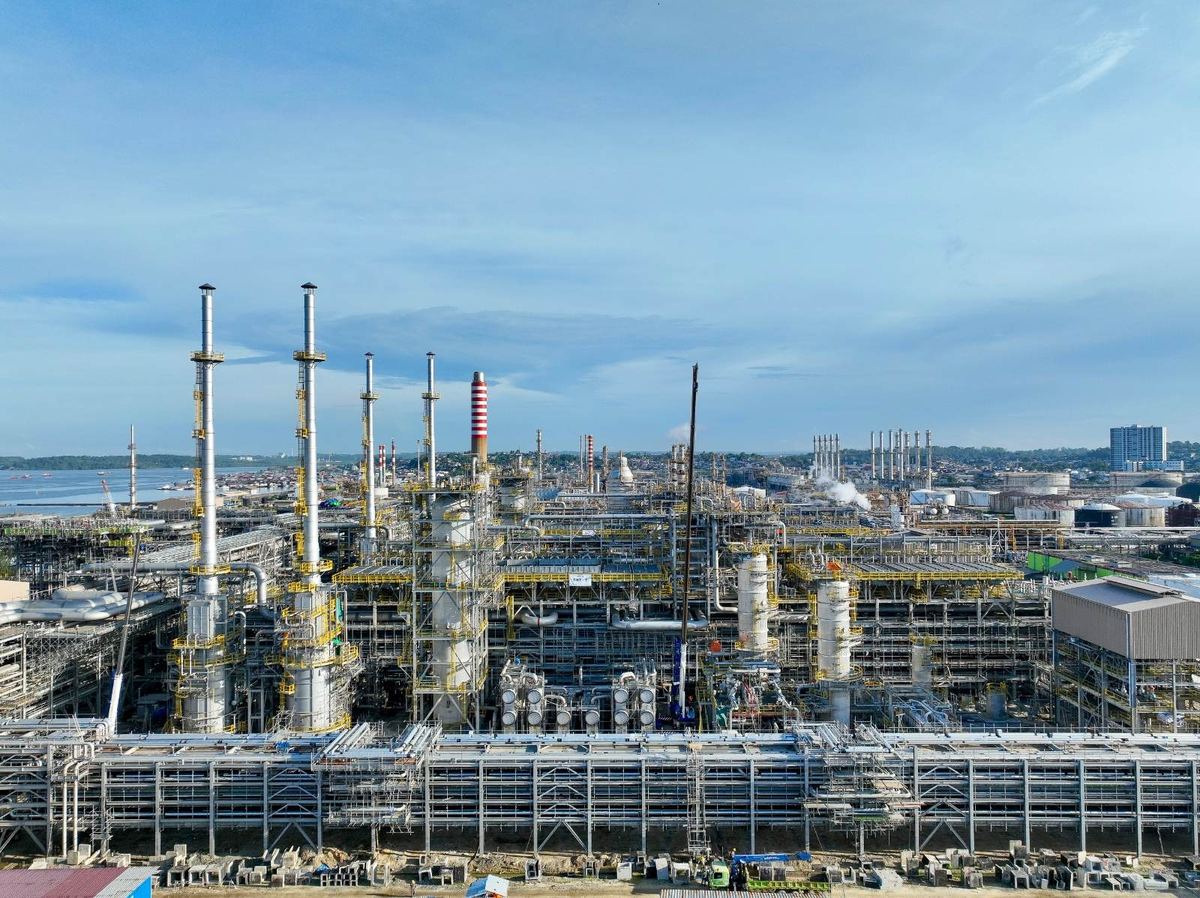
US$7.4 Billion Project Nearly Complete
The Refinery Development Master Plan (RDMP) oil refinery project in Balikpapan, East Kalimantan, has reached 99 percent completion. The national strategic project, with an investment of US$7.4 billion or around Rp126 trillion, is targeted to help reduce Indonesia'fuel (BBM).
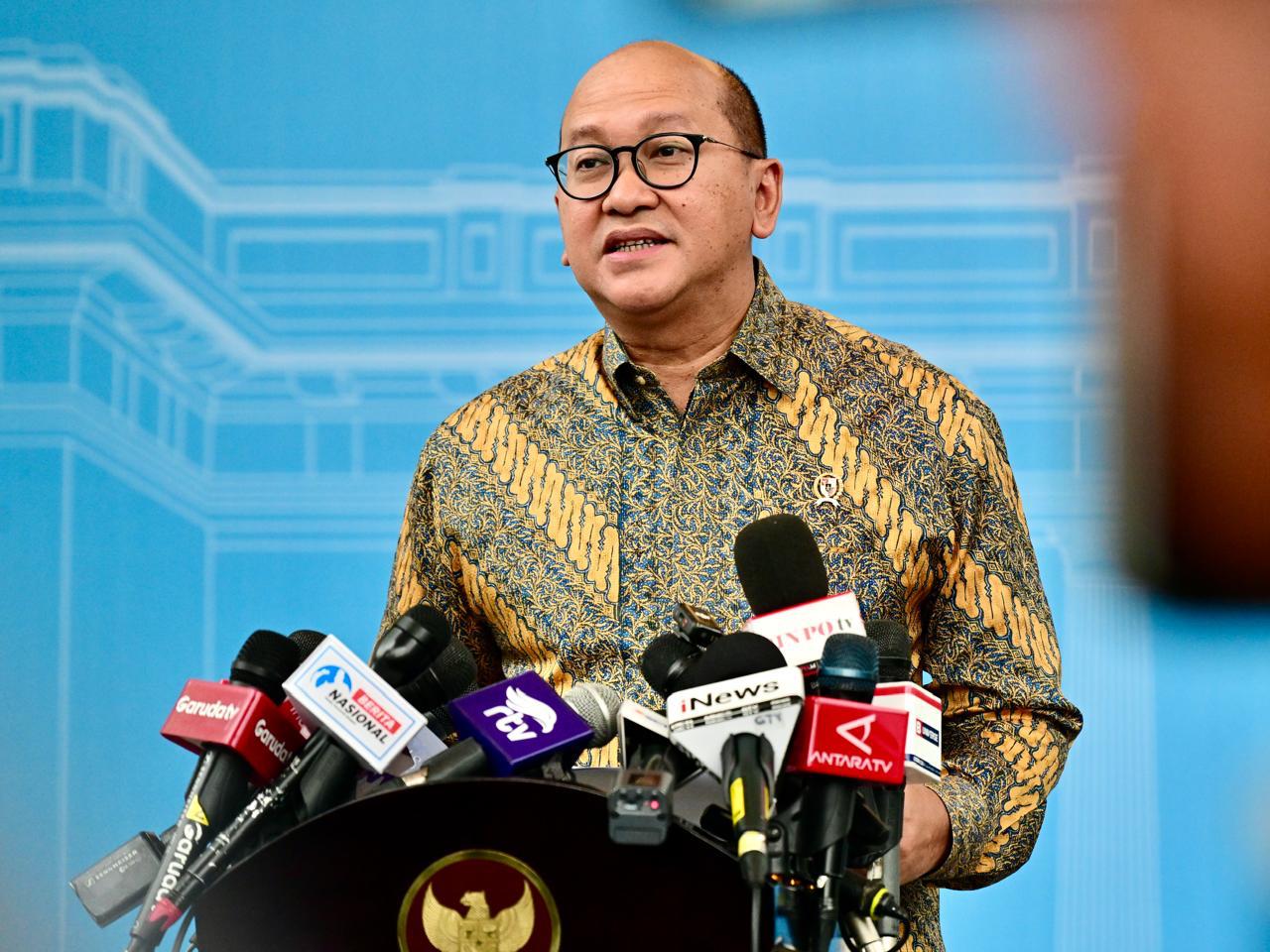
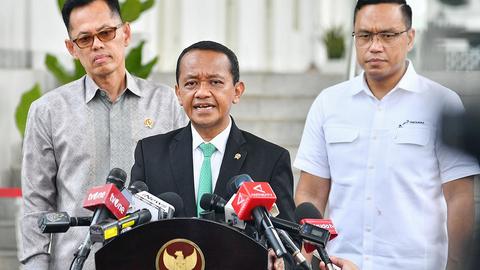
Coordinating Minister for Downstreaming and Energy Transition Bahlil Lahadalia conveyed the development on Friday (23/10/2026), as reported by Detik Finance. According to Bahlil, the refinery is estimated to be able to meet 22 to 25 percent of national fuel demand once operating optimally. "For the overall RDMP it's already 99%, it's finished. It's just what is it, the little details, it's normal for new stuff right. New stuff has its rubber parts, something like that. But God willing, we will finish it," said Bahlil.
Awaiting Technical Adjustments
Bahlil explained that the remaining work includes technical adjustments and commissioning or testing of new equipment before the refinery operates optimally. Completion of the final stage is necessary to ensure the new equipment functions in accordance with the refinery's operational requirements.
Bahlil, who also serves as Minister of Energy and Mineral Resources, directly inspected the refinery facility on Thursday (22/10/2026) to ensure operational readiness and evaluate fuel stock availability in the Kalimantan region.
Pertalite Stock at 16-18 Days
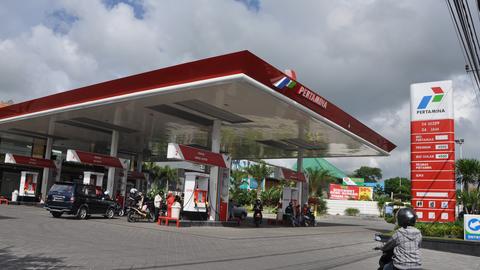
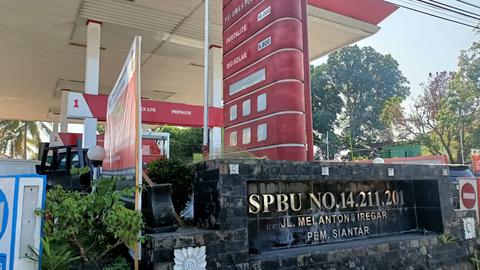
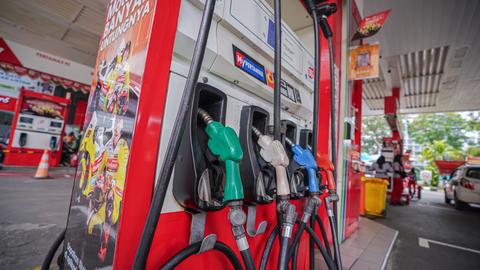
Beyond the refinery project developments, Bahlil confirmed that the national fuel supply is in a safe condition and meets minimum standards. Pertalite stocks are estimated to cover demand for 16 to 18 days, while non-subsidized fuels with octane ratings of RON 92, 95, and 98 are available for more than 20 days.
For solar, Bahlil stated that national demand has been met without imports. Fuel availability in Kalimantan is also relatively on par with the national average. Bahlil asked Pertamina to optimize the distribution of subsidized fuel so that it reaches eligible members of the public, with oversight together with regional governments and law enforcement agencies including Indonesian National Armed Forces (TNI) and Indonesian National Police (Polri) to crack down on hoarders.
In West Kalimantan, fuel distribution faced obstacles due to the silting of the Kapuas River triggered by the El Nino phenomenon, disrupting delivery routes to several areas. To maintain smooth supply, Pertamina used vessels as floating storage, after which the fuel was sent to destination areas via land routes.

No comments yet. Be the first!