
Jakarta Vision Agreed
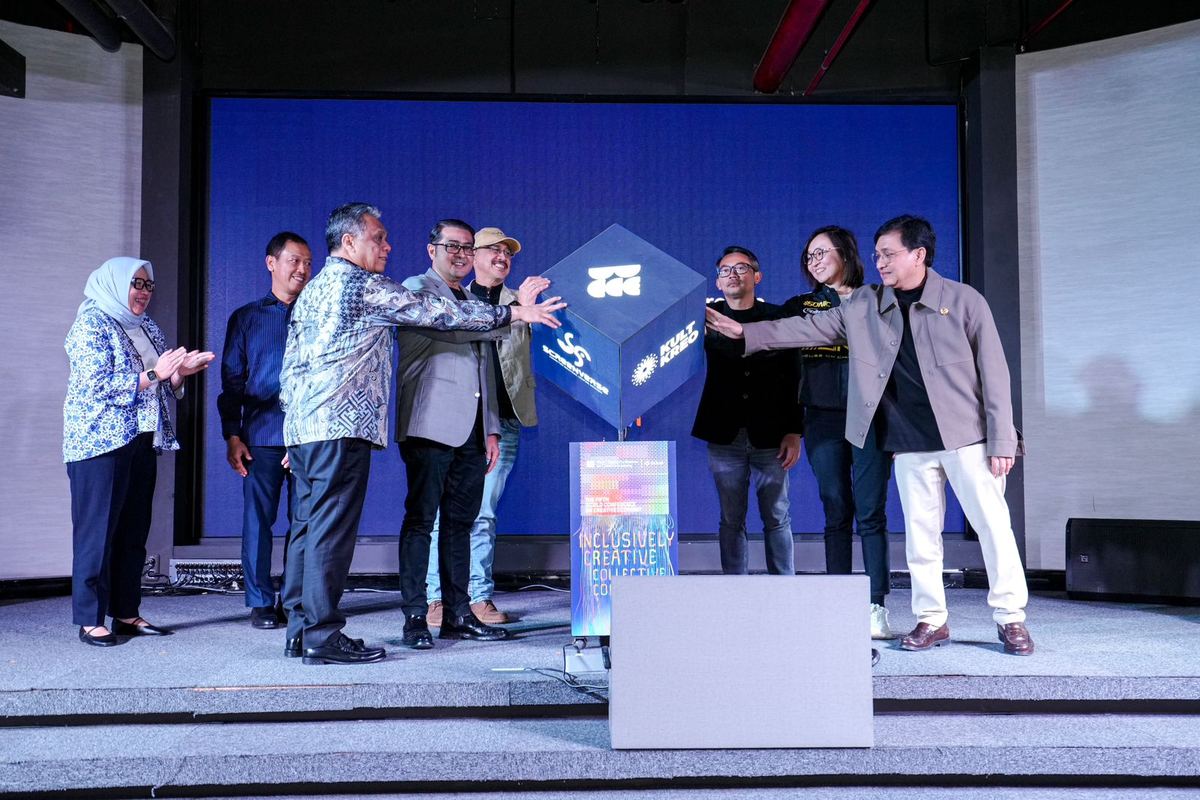
The World Conference on Creative Economy (WCCE) 2026, held in Jakarta on October 21–23, 2026, produced a ministerial-level agreement: the Jakarta Vision on Creative Economy document. The fifth conference was attended by 38 heads of delegation from various countries under the theme "Inclusively Creative: Collective Continuity."
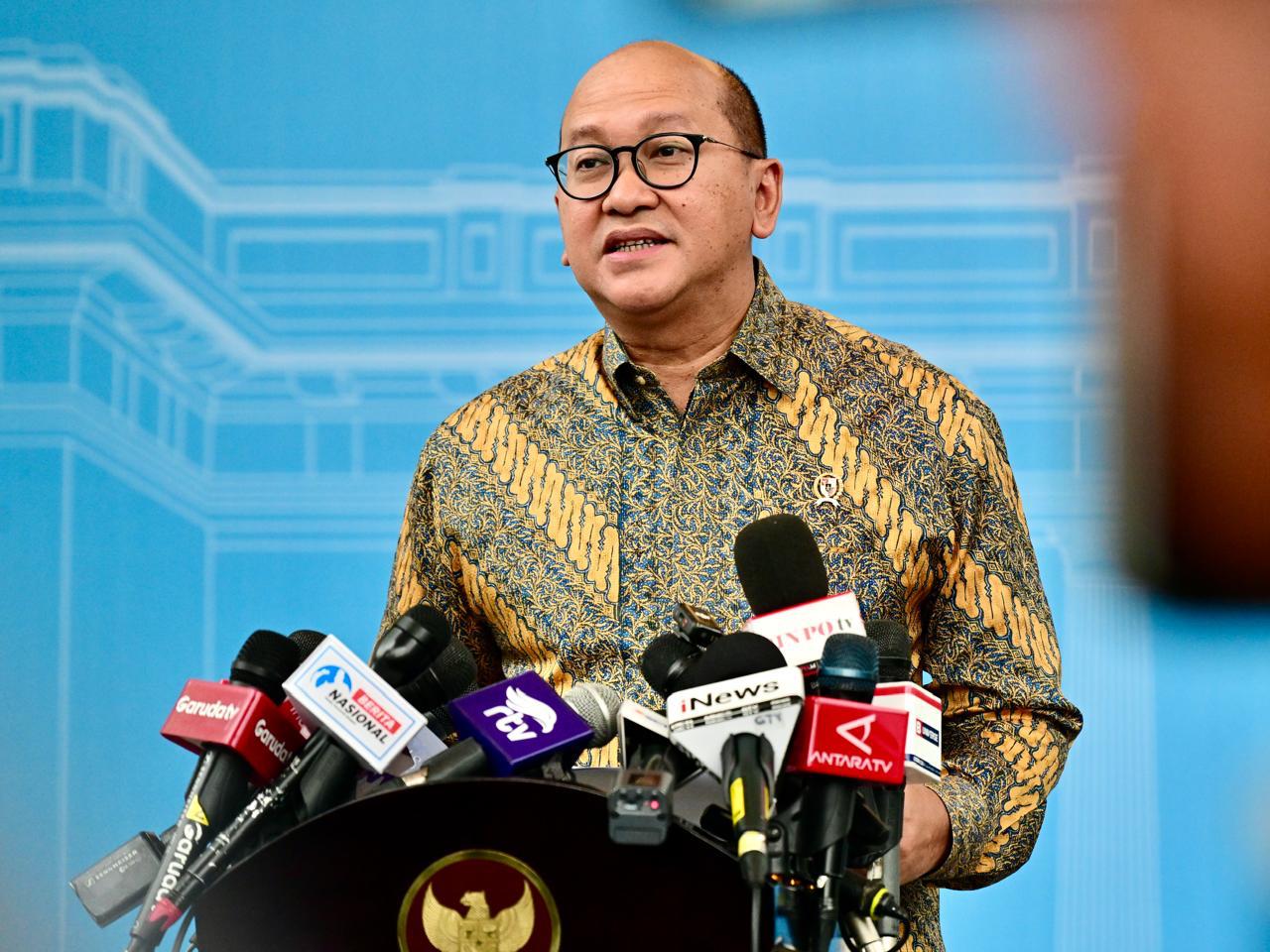
Creative Economy Minister Teuku Riefky Harsya said the agreement will be followed up by the government through the Ministry of Foreign Affairs to be submitted as a resolution at the UN General Assembly in New York in December 2026. "This is Indonesia's contribution to promoting the strengthening of the creative economy globally. I am proud that the government under the leadership of President Prabowo Subianto has produced a document that contributes to the world's creative economy," said Riefky, Thursday (22/10/2026).
The Friends of Creative Economy (FCE) meeting on October 21, 2026 became the forum for formulating the document, with 472 participants from 64 countries and 7 international organizations. The Jakarta Vision contains four main focuses: technology, artificial intelligence, and digital transformation; sustainability and the circular economy; intellectual property and creators' rights; and inclusion and empowerment of the creative ecosystem.
8 Percent GDP Target by 2029
At the opening of WCCE 2026, Minister of National Development Planning/Head of Bappenas Rachmat Pambudy emphasized that the creative economy is now an integral part of the national development strategy. The National Long-Term Development Plan (RPJPN) 2045 positions the creative economy as a new engine of growth, while the medium-term development plan targets its contribution above 8 percent to gross domestic product (GDP) by 2029.
"Our medium-term development plan sets the creative economy as a new engine of growth, with the ambition of raising its contribution to above 8 percent of GDP by 2029," said Rachmat. The foundation is 2025 performance: investment of around Rp183 trillion, exports of nearly US$32 billion, and absorption of around 27 million workers.
Rachmat stressed that the development of the creative economy must not stop at production volume, but must create added value from local works and innovation. "Natural resources are unevenly distributed, financial capital is concentrated, but creativity exists in every community. Our task is to ensure that talent everywhere has the opportunity to develop," he said.
Further Agenda
The government believes that stories, designs, films, and games must be developed into economic assets that generate sustainable revenue and fair returns for their creators. Strengthening the ecosystem is key, through collaboration between government, business, academia, and communities — including expanding market access and intellectual property protection.
Digital transformation and the use of artificial intelligence, which increasingly influence how creative economic value is generated and distributed, are also a concern. Supporting policies are being prepared so that creators' positions are strengthened and creative workers also enjoy the economic benefits of their work.
The WCCE 2026 series continues with Creative Village in the SCBD area of Jakarta on October 21–25, 2026, as well as the Oktober Kreasi movement coinciding with National Creative Economy Day on October 24. Indonesia is also promoting South-South cooperation to expand the market for creative products to the global level.

No comments yet. Be the first!