
Trump Delays Russia Oil Tariffs via Executive Order
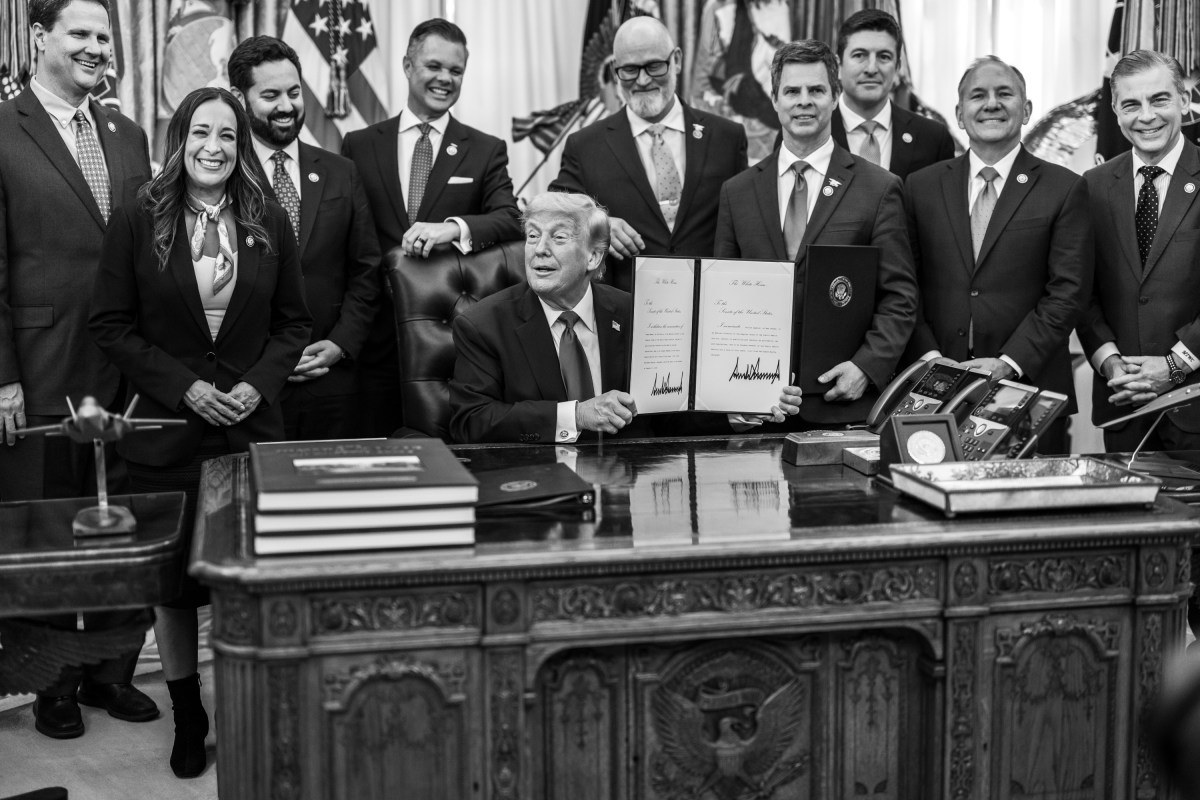
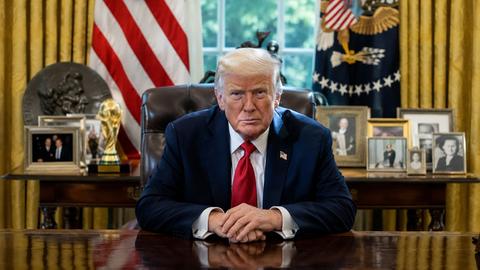
U.S. President Donald Trump signed an executive order Friday (10/16/2026) waiving the imposition of sweeping tariffs and sanctions on Russian oil buyers under the Lindsey O. Graham Sanctioning Russia and Iran Act of 2026 — a law he himself signed on September 18, 2026.
The order, released by the White House on Friday evening, implements the Act's provisions, then suspends them at once. The 100 percent duty on goods from the five largest importers of Russian oil and gas was set to take effect within 30 days of enactment — with a deadline of Sunday, October 18, 2026. The Act also carried a 500 percent tariff increase on Russian goods.
“I hereby waive the application of any duties provided for in sections 112 and 113 of the Graham Act or this order,” Trump wrote in Section 4 of the executive order. The waiver also covers most foreign-person sanctions in the Act.
In the U.S. National Interest
Trump said he had submitted a certification to Congress that issuing the waiver was “in the national interests of the United States.” The waiver remains in effect until the president or the secretary of state determines further action is appropriate.
The order names no country, but the waiver relieves India and China — the two largest buyers of Russian oil threatened by the 100 percent tariff. The decision was announced just one day before the tariff provisions took effect, coinciding with Secretary of State Marco Rubio's visit to India.
Beforehand, lawmakers from both parties had pressed the administration to enforce the Act by October 18. Twelve senators, six of them Republicans, called last week's easing of Russian diesel sanctions “a gift to our adversary and a betrayal of our Allies.”
The Legacy of Senator Lindsey Graham
The Graham Act is named for the late Senator Lindsey Graham, the South Carolina Republican who championed the sanctions bill with Democratic Senator Richard Blumenthal until his death in July 2026. The Senate passed it 86 to 11 on August 7.
The Act's core bargain: penalties could be lifted permanently only if Russia “signed a peace agreement that is accepted by the free and independent Government of Ukraine.” Trump's waiver requires no peace agreement and no ceasefire.
Last week Trump also eased sanctions on Russian diesel and announced a deal with President Vladimir Putin to import diesel into U.S. markets. Ukrainian President Volodymyr Zelensky called the move “not fair and not honest.”
U.S.–Ukraine Ties Strain Further
The waiver comes as Trump's relationship with Zelensky deteriorates. Trump has grown openly critical of Zelensky — including suggesting Ukraine needs a new leader — while Washington's support for Kyiv cracks in the war's fourth year.
The White House says it wants to ease oil prices ahead of U.S. midterm elections. Critics say Trump is defying a federal law meant to prevent American dollars from financing Russia's war against Ukraine.
The waived sanctions and tariffs can be reimposed at any time. Energy markets are now watching whether this marks a broader shift in U.S. sanctions policy toward Russia.

No comments yet. Be the first!