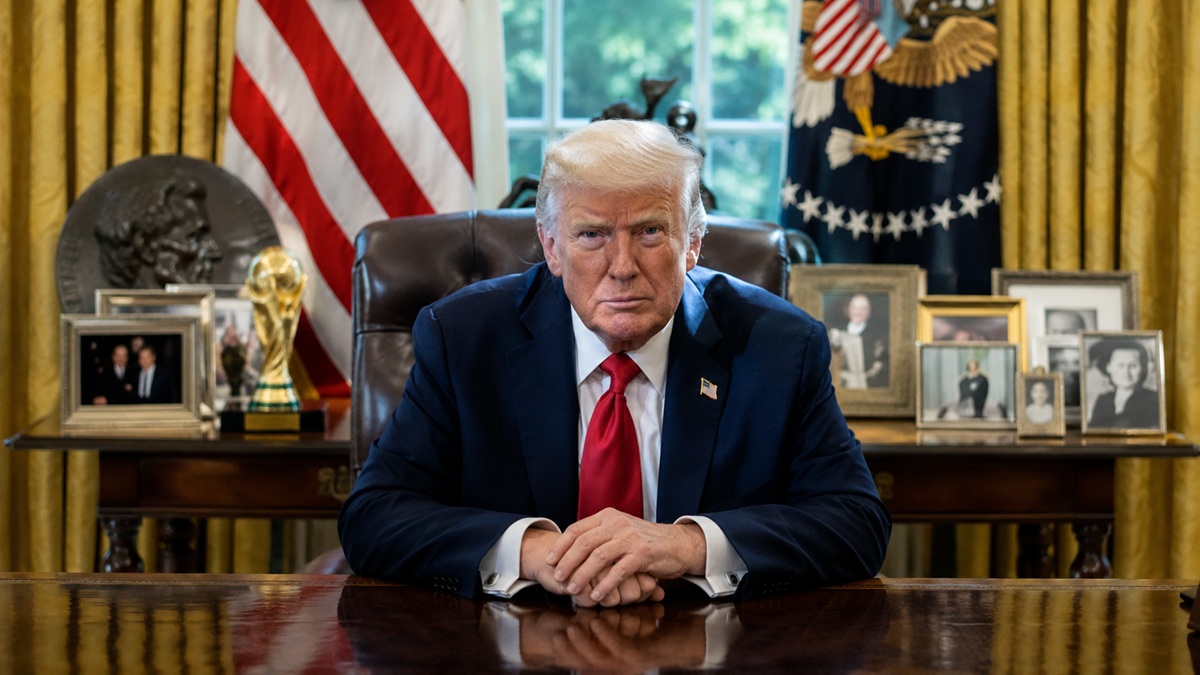
U.S. President Donald Trump in the Oval Office at the White House. Trump signed an executive order on Friday (10/16/2026) waiving most Russia sanctions two days before they took effect. (Source: The White House)
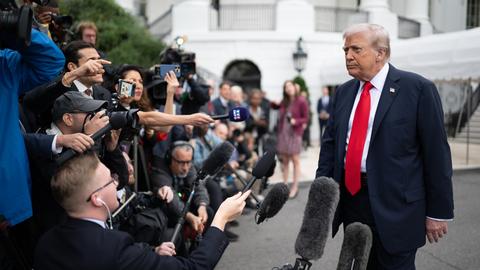
U.S. President Donald Trump signed an executive order on Friday night (October 16, 2026) waiving most provisions of the Russia sanctions — just two days before they were due to take effect. The decision drew a sharp rebuke from Ukraine and criticism from both sides of the aisle in Washington.
Key Facts
U.S. President Donald Trump signed an executive order on Friday night, October 16, 2026, waiving most provisions of the Russia sanctions — just two days before they were due to take effect.
The sanctions passed the U.S. Congress and were signed into law by Trump in September 2026. The law is known as the 'Lindsey Graham Act', named after the late Republican Senator Lindsey Graham.
The law targeted Russia's economy: it gave the president authority to impose tariffs of up to 100 percent on imports from the five biggest buyers of Russian oil and gas — mainly China and India — plus sanctions on senior Russian figures including President Vladimir Putin, Russian financial institutions, and Russia's 'shadow fleet' vessels.
In his executive order, Trump said the waiver was 'in the national interest of the United States'. The law itself allows the president to waive sanctions with a written certification to Congress, and Trump said he had submitted it without explaining the basis.
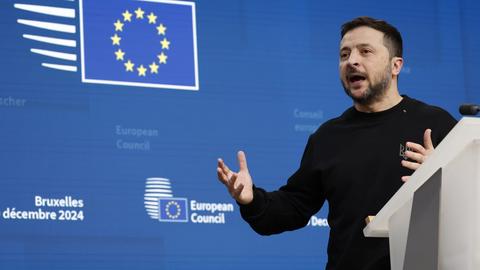
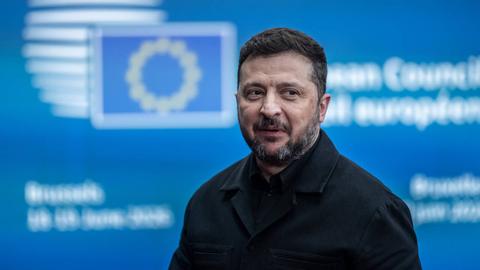
Ukrainian President Volodymyr Zelensky called the decision 'unfortunate' and said the U.S. had 'completely disregarded' the Lindsey Graham Act. He said the law could have pressured Russia to end the war, just as Russia launched one of its biggest attacks on Ukraine's energy infrastructure.
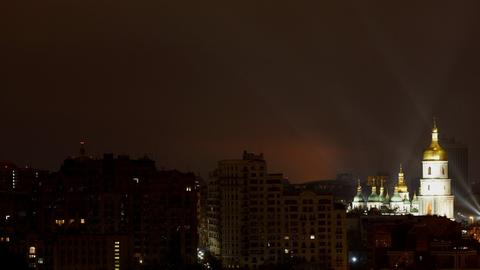
Russia struck 15 Ukrainian energy facilities overnight, causing blackouts in several regions; Zelensky said Russia is 'trying to cause a blackout in Ukraine – right before winter'. He also posted photos of himself with Graham, captioned 'Thank you for everything Lindsey!'.
Criticism came from both sides: Senator Darline Graham — the late Lindsey Graham's sister and a Trump ally — expressed disagreement; Democratic Congressman Don Beyer of Virginia accused Trump of 'capitulating to Moscow' and turning his back on Ukraine.
Washington–Kyiv relations frayed this week after the U.S. struck a controversial deal to import Russian diesel to ease energy prices ahead of the midterm elections. Ukraine then accused the Trump administration of withdrawing key military support.
Trump said Zelensky was 'more difficult to deal with' than Putin; Zelensky retorted at the EU summit that it was good to be among 'real leaders'. The White House also pressed Ukraine to halt strikes on Russian refineries to keep oil prices low — Kyiv briefly paused but resumed the attacks, while Russia kept pounding Ukraine's energy grid.
Russian envoy Kirill Dmitriev called the waiver 'an important and truly historic moment', claiming the sanctions would have inflicted 'serious damage' mainly on the U.S. and the global market. Despite the tensions, negotiators from the two countries spoke Friday and could meet next week.
Sanctions waived two days before taking effect
Zelensky's rebuke and bipartisan criticism
The fraying U.S.–Ukraine relationship
Russia welcomes it; negotiators may meet next week


No comments yet. Be the first!