
Atlanta summit boycott and photo cancellation
ATLANTA — The traditional opening group photograph for the Group of 20 foreign ministers' meeting in Atlanta was abruptly cancelled after multiple member nations, including Australia and the United Kingdom, refused to appear alongside Russian Foreign Minister Sergei Lavrov.
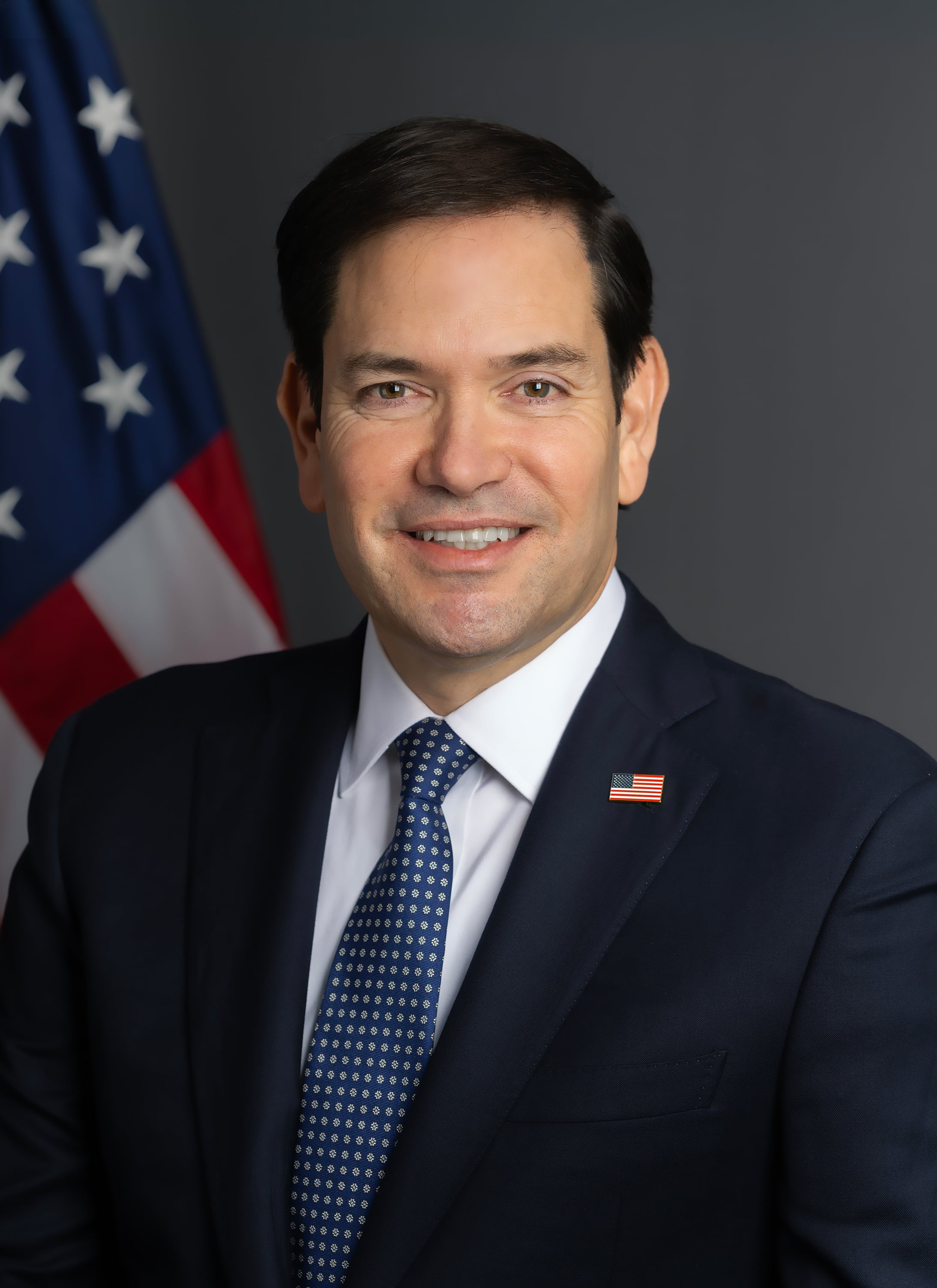
US Secretary of State Marco Rubio called off the photoshoot after European officials, British diplomats, and Australian representatives made clear they would boycott or walk out of the group picture. Despite pulling the photo session, Rubio opened the ministerial talks with an appeal for unity on the issues that threaten international security and trade, warning that the gathering takes place at a critical moment amid interconnected economic and geopolitical crises.
About one-third of the nations participating in the Atlanta meetings signalled they would not participate in any group photo with Russian representatives. German Foreign Minister Johann Wadephul stated ahead of Friday's session that European partners would not stand together with Lavrov, while UK Foreign Secretary Ed Miliband affirmed that Britain has refused to engage in that format with Russian officials for years.
Diplomatic clashes and summit frictions
During the opening session, Australian Foreign Minister Penny Wong delivered a direct rebuke of Russia's war in Ukraine in front of Lavrov, emphasizing that the ongoing conflict has affected international markets and worsened global food security. A spokesperson for Wong confirmed Australia's backing for the decision to cancel the photo, declaring that Canberra would not normalize Russia's actions.
Disagreements across the table—compounded by disputes over membership and attendance—will probably prevent the foreign ministers from producing a joint communique as the talks conclude on Saturday. Polish Deputy Prime Minister and Foreign Minister Radoslaw Sikorski, attending as a guest, said it was very difficult to agree a common line because there are wars going on and participants in those wars around the table.
Those disagreements also included the exclusion of South Africa, a G20 founding member and the only African country in the group, whose delegation was not invited by the US administration amid strained bilateral ties. Phindile Kunene, a spokesperson for South African International Relations Minister Ronald Lamola, affirmed: "We have consistently maintained that our nonparticipation is not voluntary." Source: The Guardian
Why it matters and global governance impacts
The diplomatic standoff in Atlanta underscores deep structural fractures within major multilateral forums as Western democracies resist normalizing wartime diplomacy, echoing geopolitical rifts previously seen during regional transit negotiations reported in <a href="/en/article/2026-10-30-turkic-leaders-open-13th-summit-in-ankara-trade-routes">trans-Eurasian trade corridor summits</a>.
For international policymakers and investors, the likely absence of a joint communique points to heightened geopolitical risks ahead of next month's leaders' summit in Florida, complicating cooperation on trade disputes and international supply chain stability examined in <a href="/en/article/2026-10-30-dockworkers-across-113-ports-strike-over-arms-shipments">global logistics disruptions</a>.


No comments yet. Be the first!