
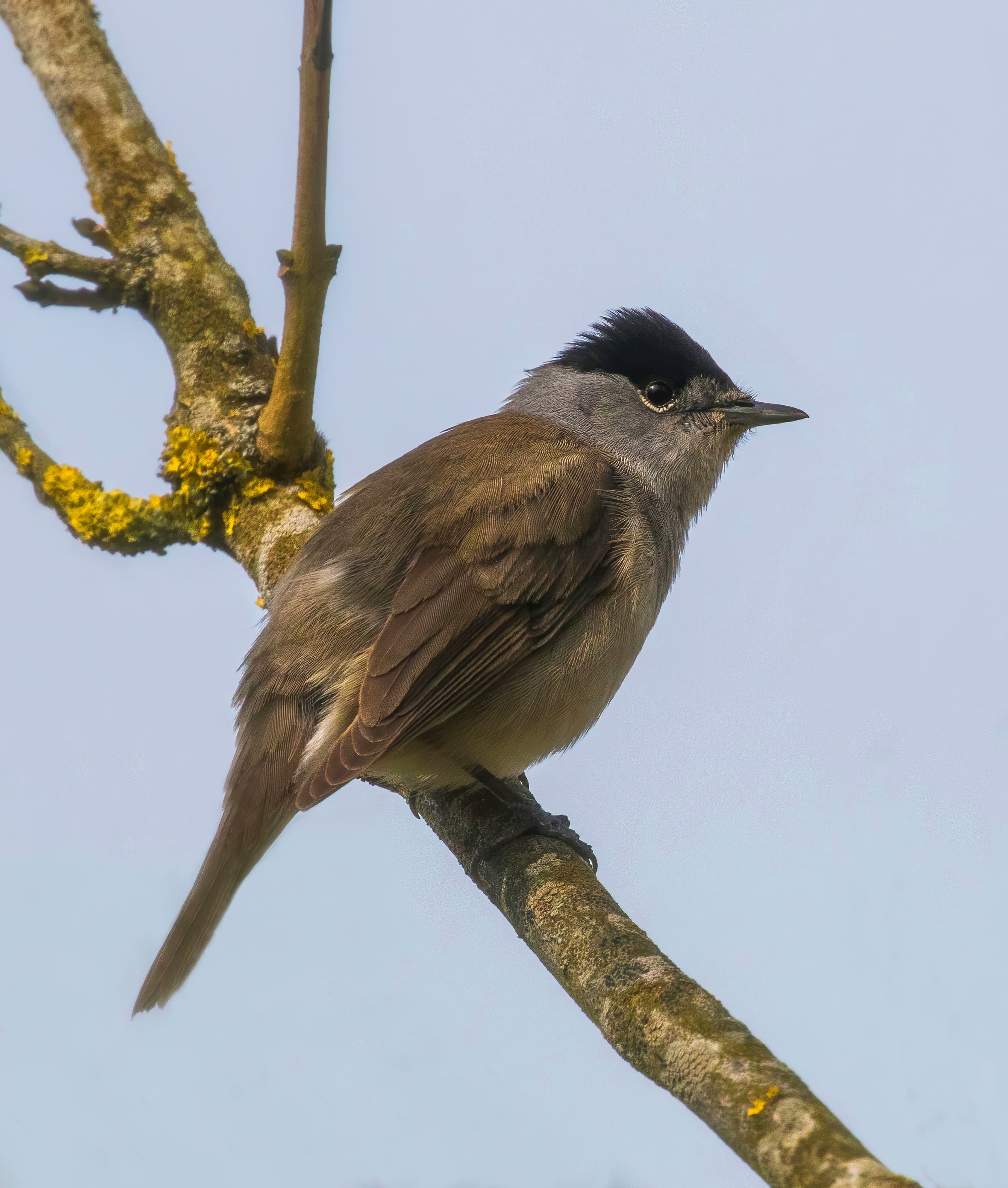
A hobby she avoided as a child
Caitlin Andrew grew up in Midlothian. She remembers being the reluctant child on family walks while her parents, both birdwatchers, stopped to listen and look. "I would be such a grump," she told the BBC, recalling her teenage self. "We had some really nice walks and experiences, but I just didn't have an interest in them at the time. I do feel quite bad about it now."
Three years ago, during a difficult period in her life, she discovered birds offered an unexpected escape. "I was 24 and living in Glasgow as a student," she says. "I had poor mental health and was feeling a bit low, and finding it quite difficult to connect to the world around me."
Around that time she joined her family for a holiday on Islay. The BBC describes Islay, the southernmost island of the Inner Hebrides, as renowned for its wild birds, with more than 120 species to spot during the spring and autumn migrations. "When we were there we did a lot of birdwatching," she says. "And as you can imagine there are incredible things to see - choughs and white-tailed eagles."
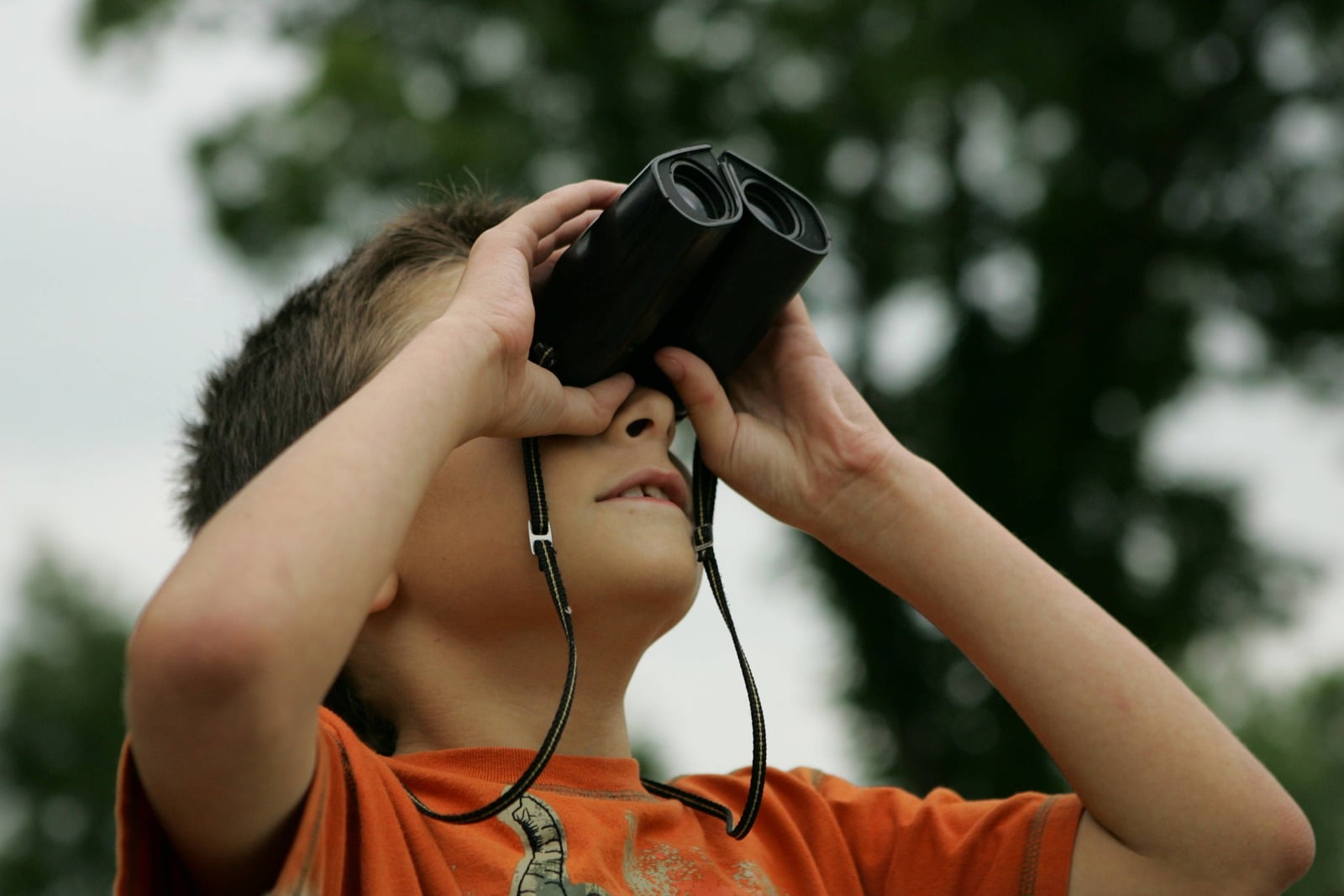
Rather than feeling grumpy, she found "a sense of peace and calm watching birds". "Just taking time to look and listen and take in everything you are connected to the environment you are in," she says. Her parents were delighted when she asked for a pair of binoculars for her birthday.
Her account is a personal one, not evidence of a clinical effect on mental health.
How many people are watching
Making her first forays into birdwatching, she felt no-one else shared her passion. "I did feel a little bit embarrassed to say I was doing it," she says. "It is a stereotype, isn't it? It's associated with older people with a sedate life and picking it up in retirement - all things which I don't think are negative at all. But among my peers I was certainly the only person doing it properly in any kind of capacity."
Research carried out for the RSPB suggests there are more than four million birdwatchers in Britain, up from 2.7 million eight years ago. The number of Gen Z enthusiasts – people aged 16 to 29 – rose from an estimated 61,000 in 2018 to 724,000 today, according to the study.
Andrew, a Gaelic speaker, found she was far from alone as a young female birdwatcher when she made a BBC Alba documentary about her hobby. She came across an Inverness chapter of the Feminist Bird Club, a group founded in New York in 2016 to help make the interest inclusive and safe, and met female professionals and volunteers involved in bird conservation. "In the birdwatching community, everyone is so friendly and happy to tell you they have something interesting in their scope or have seen something interesting," she says.
What they are looking for
Andrew's favourite birds include crested tits, which in the UK are found in native pine forests in parts of the Highlands, Moray and Aberdeenshire. "I love seeing crested tits in the Cairngorms. They are rare, so its a special thing to see them," she says, in the BBC's transcription. "I'm always happy to see a gannet. They are big and so powerful. They're like dinosaurs."
She enjoys how different birds signal changes in the year. "When you start to hear a chiffchaff in maybe March or April you know spring is coming, and that is really exciting," she says. "And then when coming into winter there are redwings and fieldfares. It feels like these creatures are giving you pointers that things are changing, and it's lovely to connect to that."
She adds: "Life can be so turbulent. Things go and down and you never know what's coming - the political nonsense and all the rest of it … And these little animals, they are just all about finding food, raising babies, fledging their young and then doing it all again - they're just trying to survive. It does make your problems feel very small."
Sumber: BBC News



No comments yet. Be the first!