
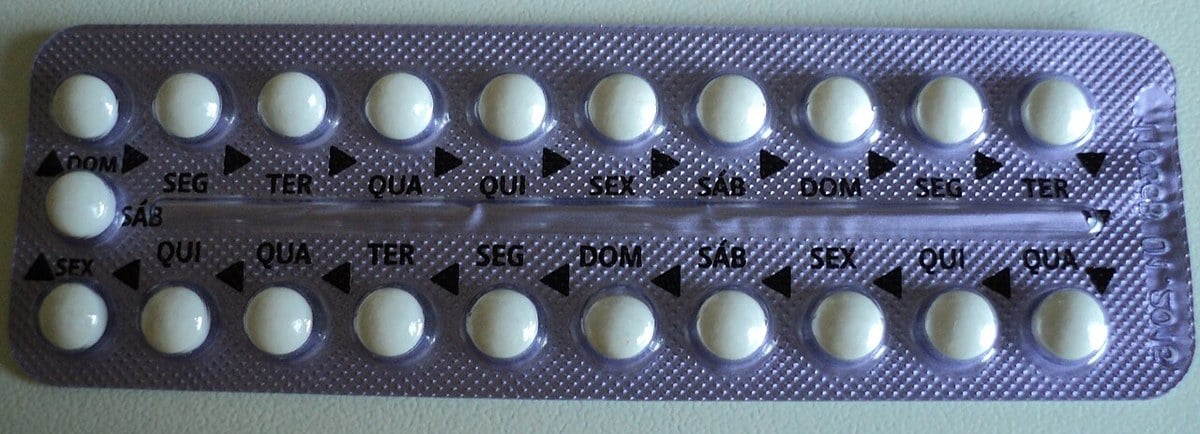
What the pill actually does
Many patients ask whether it is safe to stay on the contraceptive pill for years, and whether suppressing ovulation brings on menopause or the end of fertility sooner. Dr Kizaki, director of Chocolat Women's Clinic in Japan, says the key is understanding what the pill does to the ovaries and how that differs from the natural ageing of the ovaries.
In Japanese clinical practice, "the pill" covers two main products: low-dose oral contraceptives (OC), which combine oestrogen and progestin and are used for contraception, and low-dose oestrogen-progestin formulations (LEP), used mainly to treat conditions such as dysmenorrhoea. Both work chiefly by suppressing ovulation. Progestin-only oral contraceptives also exist, and the approved use and insurance coverage differ by product. Contraceptive OC is not covered by public health insurance in Japan.
Combined oestrogen-progestin products suppress follicle-stimulating hormone (FSH) and luteinising hormone (LH) from the brain, making it harder for follicles to develop and preventing ovulation. They also thin the lining of the uterus and alter cervical mucus so sperm pass through less easily. Dr Kizaki stresses that the pill does not destroy the ovaries or permanently remove their function; while it is being taken, ovulation is simply held back by the drug.
No evidence the pill ages the ovaries faster
On whether long-term use accelerates ovarian ageing, the evidence points the other way, with negative findings prevailing. Ovulation usually resumes after stopping, though how long that takes varies from person to person. The follicular reserve still declines with age while a woman is on the pill, so the medication does not preserve eggs.
As for the idea that years of use must be bad for the body, Dr Kizaki says hormones do not build up in the body with each year of use, and harm does not accumulate simply because the pill has been taken for a long time.
What does change is the person. Smoking status, blood pressure, weight, migraine history and underlying conditions shift with age, and so does whether the pill can be used safely. Dr Kizaki says long-term safe use depends on regular consultations and blood pressure checks, with benefits and risks reviewed against the patient's situation at that point in time.
Sumber: Medical DOC (distributed by Yahoo! News Japan), 27 October 2026





No comments yet. Be the first!