
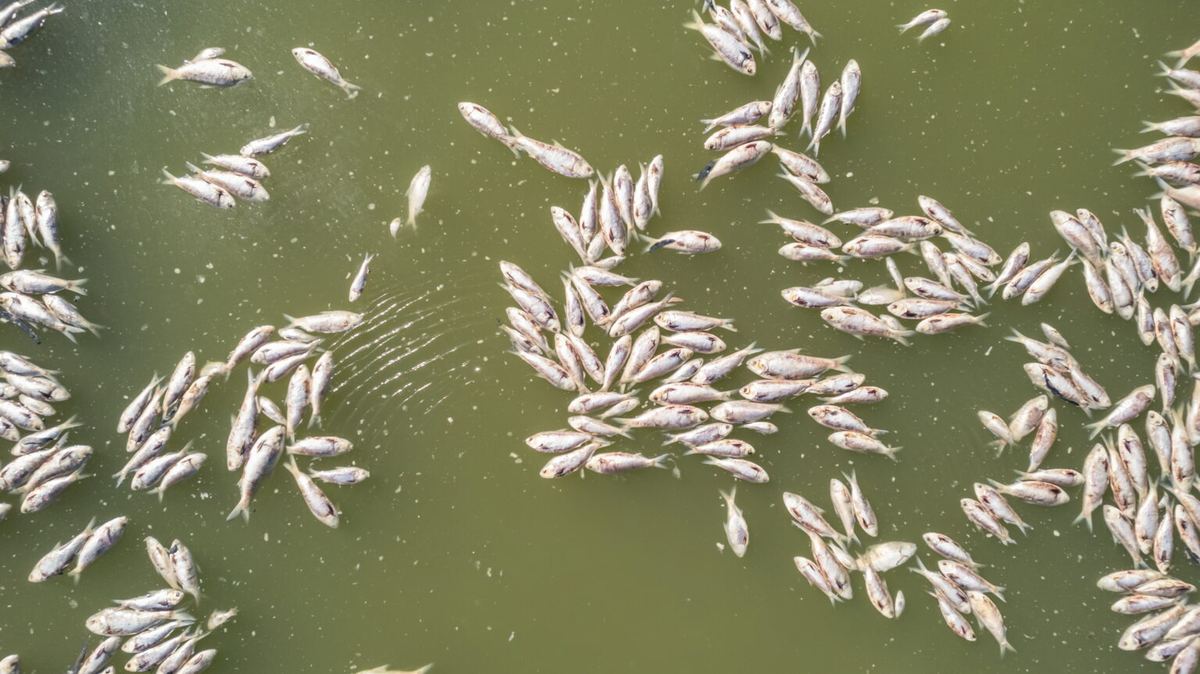
700 Kilograms of Carcasses Removed on First Day
The Bekasi City Environmental Agency (DLH - Dinas Lingkungan Hidup) deployed the Orange Frog Team (Tim Katak Orange) to clean up hundreds of kilograms of dead pleco (sapu-sapu) fish floating in the Bekasi River on Saturday (17/10/2026). On the first day of operations, personnel successfully cleared at least 700 kilograms of fish carcasses.
The cleanup focused on the area around the Kemang Pratama Bridge, which served as the primary accumulation point for the dead fish. Workers cast nets to haul out clusters of carcasses floating on the water's surface.
Known Since Thursday, Residents Complain of Odor
The mass die-off of pleco fish was first discovered on Thursday (15/10/2026). The floating carcasses began emitting a foul odor around the river, prompting local residents to submit complaints to the municipal government.
DLH took prompt action to address the complaints, while also anticipating potential public health hazards and protecting the Bekasi River aquatic ecosystem from widespread contamination.
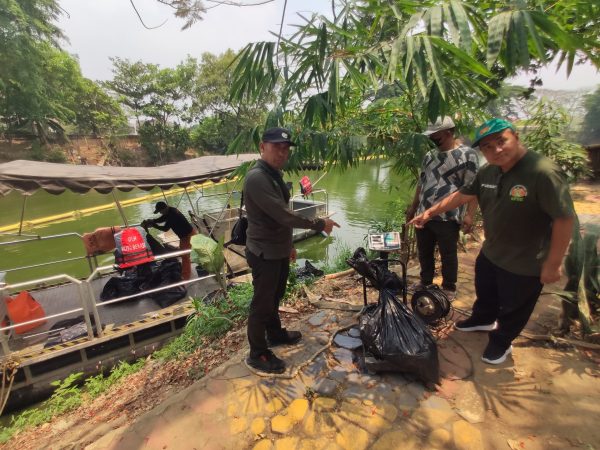
Orange Frog Team and Two Electric Boats Deployed
During the cleanup operation, DLH operated two Sea Hamster electric boats to access accumulation points in the middle of the river stream. According to Orange Frog Team Coordinator Mansur, the collected fish carcasses were buried two meters deep along the banks of the Bekasi River.
Head of the Bekasi City DLH, Kiswatiningsih, emphasized that on-site management remains the top priority. 'The Bekasi City DLH moved swiftly to manage the fish carcasses found in the Bekasi River, primarily to minimize the impact felt by the community and preserve the river's environmental condition,' said Kiswatiningsih.
Cause Under Investigation, Waste Suspected
Regarding the cause of death, Kiswatiningsih affirmed that authorities are still investigating and awaiting laboratory test results so that follow-up actions are backed by verifiable data. Suspicions of pollution or waste discharge have emerged as potential triggers, though this has not yet been confirmed.
The emergency response received appreciation from the Cileungsi-Cikeas River Care Community (KP2C - Komunitas Peduli Sungai Cileungsi-Cikeas), which also monitored the sweeping process on-site. KP2C Chairman Puarman noted that the field readiness of the crew is vital to preventing further pollution spread.
DLH also consulted with fisheries ecosystem activist Arief Kamarudin to ensure that the extraction and management of the biological waste proceeded optimally. Periodic monitoring will continue while awaiting the test results of water and fish tissue samples.
Kiswatiningsih urged the public to actively participate in preserving the Bekasi River by promptly reporting any signs of pollution or abnormal environmental conditions to the relevant authorities.



No comments yet. Be the first!