
Engineering the heart of offshore wind
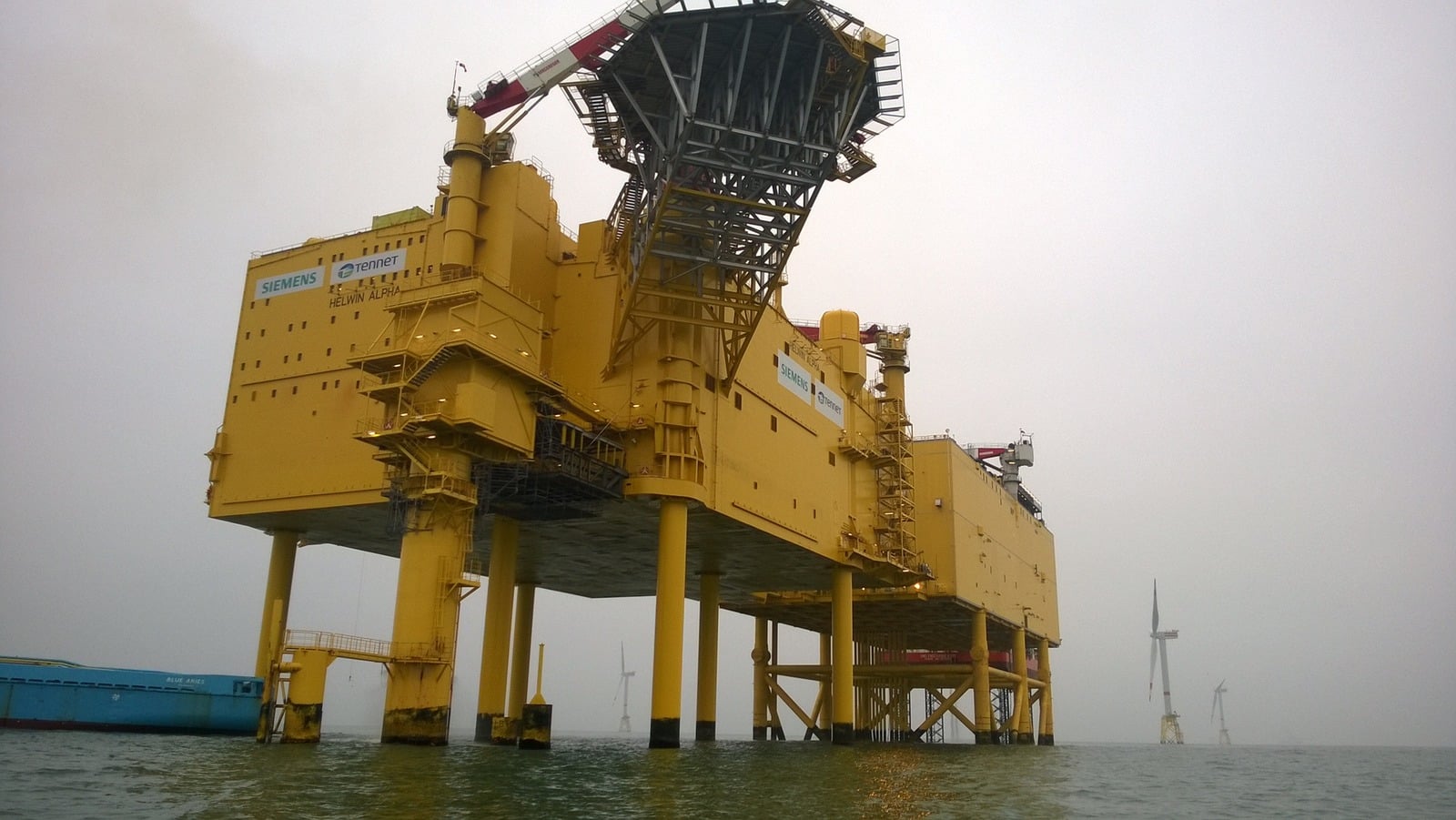
Despite having negligible domestic wind resources, Singapore has emerged as a premier construction hub for critical European offshore energy infrastructure. Shipyards in the city-state are currently fabricating the world's largest 2-gigawatt (GW) high-voltage direct current (HVDC) offshore converter stations.
Functioning as the electrical heart of remote marine wind farms, these mega-platforms convert alternating current (AC) generated by wind turbines into high-voltage direct current. By using HVDC transmission via subsea cables, electricity can travel vast distances back to mainland power grids with minimal line resistance losses. A single 2 GW converter station generates sufficient transmission capacity to meet the power demands of approximately two million households.
Seatrium and GE Vernova consortium
The landmark project is being executed by Singapore-headquartered maritime engineering giant Seatrium in consortium with American energy infrastructure firm GE Vernova. The partnership is delivering three 2 GW platforms and an additional 2.2 GW converter station for Dutch grid operator TenneT.
Under the division of labor, Seatrium is constructing the enormous topsides at its Singapore yards, with the first platform at Admiralty Shipyard, while GE Vernova supplies and installs high-voltage transmission technology and equipment. Sumber: Lianhe Zaobao
30,000 tonnes of precision marine steel
An offshore converter platform primarily consists of a jacket foundation and a topside module. Each completed offshore converter platform will weigh more than 30,000 metric tonnes, measuring 106 metres in length and 77 metres in width — an operational footprint equivalent to a standard football pitch. Reaching a height comparable to a 15-storey building, from construction and delivery to operation takes roughly six to seven years.
Construction begins with cutting heavy steel plates that are meticulously inspected, assembled, and welded into reinforced structural blocks. Once completed, the first 2 GW platform will be slid onto specialized heavy-transport vessels and embarked on a roughly 60-day transport process to Europe. Offshore installation and commissioning will prepare it for commercial service in the Dutch North Sea by 2029, with three platforms totaling 6 GW online by 2031, with the 2.2 GW German station shipped in 2031.
Why it matters
This industrial milestone embeds Southeast Asian shipyards directly into Europe's energy transition supply chain. The project highlights Singapore's engineering agility as regional infrastructure expands across transport and energy corridors, illustrated by recent cross-border safety milestones in the <a href="/en/article/2026-10-28-singapore-malaysia-rts-link-fire-drill">Singapore-Malaysia RTS Link emergency exercise</a>, alongside private sector capital deployments detailed in our analysis of <a href="/en/article/2026-10-28-jio-platforms-debut-valuation-137-billion">Asian technology enterprise valuations</a>.
For international grid planners, the timely delivery of 2 GW-class conversion hubs is critical to achieving European renewable targets and connecting remote marine wind corridors to national grids.








No comments yet. Be the first!