
Parliamentary arithmetic after 85% counted
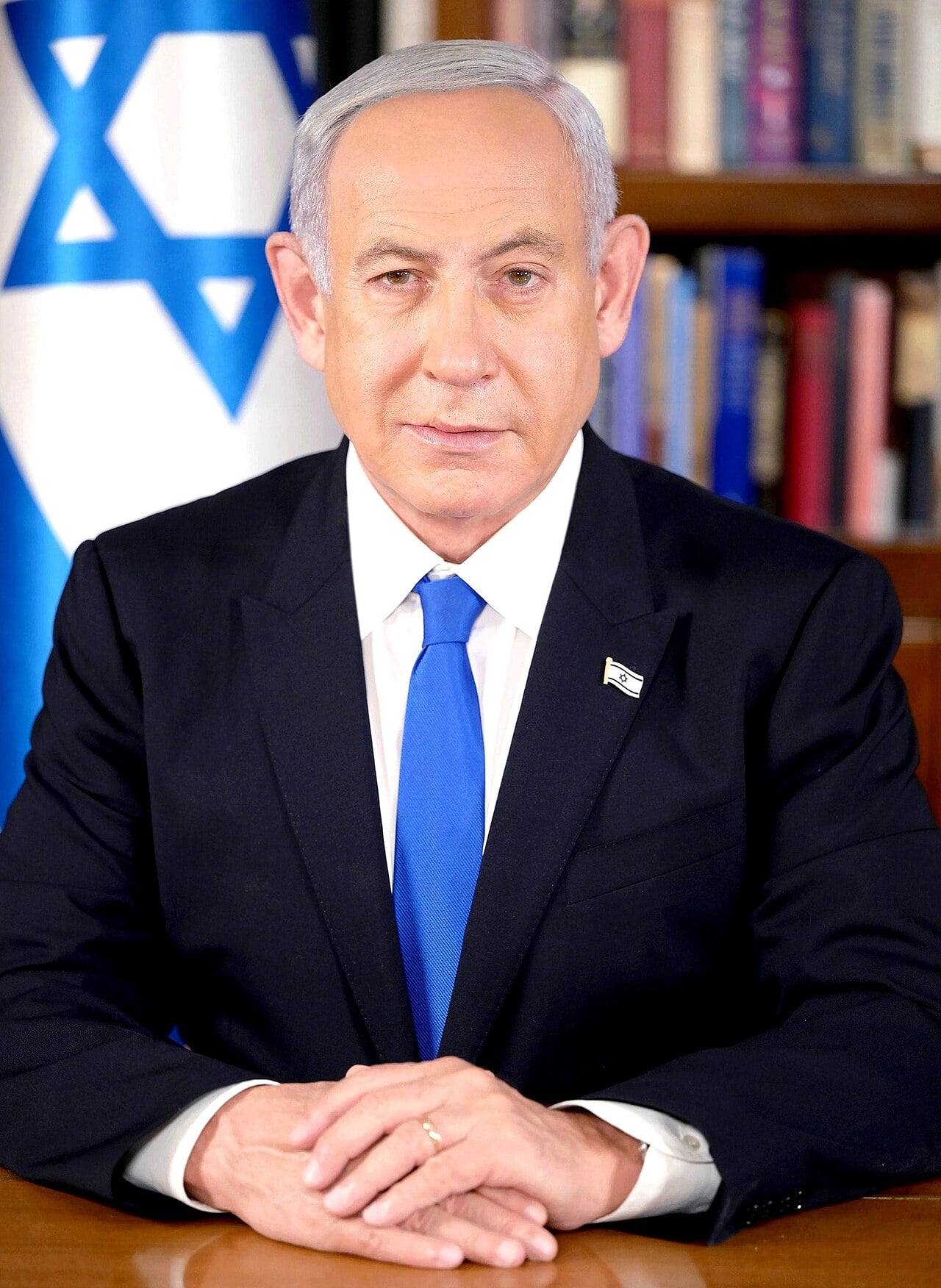
With 85% of standard ballots counted by Wednesday evening, Prime Minister Benjamin Netanyahu's Likud party and its far-right and ultra-Orthodox Jewish allies were on course to win 53 seats in the 120-seat Knesset. The tally gives the incumbent bloc a leading position but leaves it eight seats shy of the working majority required to govern.
The opposition "Change Bloc", led by Gadi Eisenkot's Yashar party alongside three other Jewish opposition parties, was projected to secure 48 seats. Arab-led political lists were poised to capture an unprecedented 19 seats, creating a fragmented legislature in which neither traditional alliance holds an outright majority.
Between 430,000 and 480,000 absentee ballots—including votes cast by soldiers, diplomats and hospital patients—remain to be tabulated, a process that could take up to two days.
High turnout and contested mandates
Voter turnout reached 77.7%, the highest participation rate recorded in an Israeli national election in over two decades. President Isaac Herzog commended the robust civic engagement during remarks at his official residence in Jerusalem, urging party chiefs to avoid triggering an immediate cycle of repeat elections.
Both Netanyahu and Eisenkot declared claims to a governing mandate. Speaking at Likud party headquarters in Jerusalem, Netanyahu insisted that the national interest demanded "a strong right-wing national government" and declared it forbidden to form a government that relies on anti-Zionist Arab parties.
Eisenkot addressed supporters in Tel Aviv, arguing that the governing coalition had failed to retain public trust, and said: "I will work with my partners to ensure that the people's decision is translated into a Zionist government."
Consequential vote following regional conflict
The ballot represented Israel's first nationwide vote since the October 2023 attacks and the wars that followed in Gaza, Lebanon and Iran.
Voter debates focused heavily on wartime conduct, state accountability for security oversights, Israel's international standing, judicial reforms, and conscripting ultra-Orthodox Jewish men into the military.
President Herzog expects to receive the official results next week, after which formal consultations with faction leaders will begin to determine who receives the first mandate to form a cabinet.
Details in this article follow BBC reporting on 28 October 2026.
Sumber: BBC News



No comments yet. Be the first!